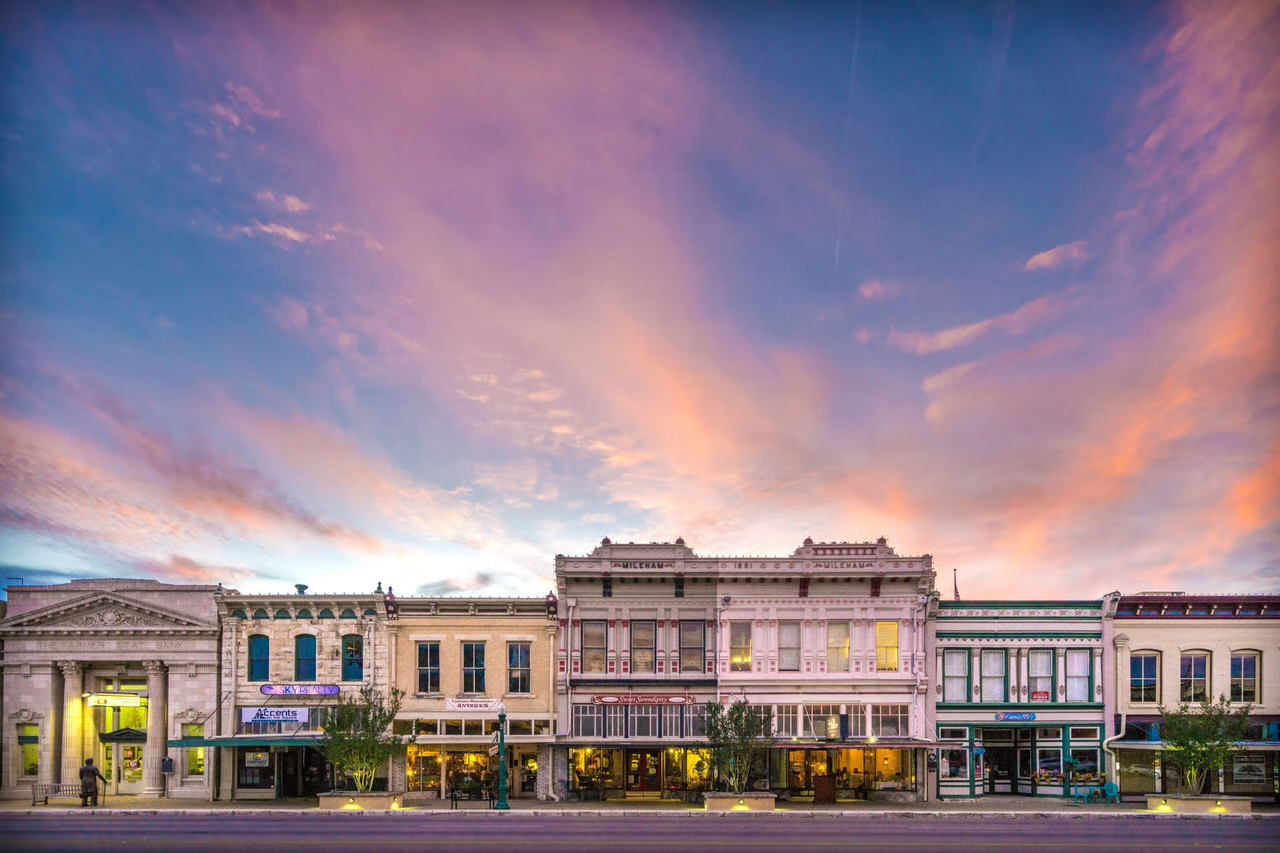
 Georgetown, TX · Historic Downtown
Austin's metro is set to surpass 3 million residents by 2030, but the bulk of that growth isn't happening in Austin proper. The most investable opportunities of the next decade sit in Austin's high-velocity ring towns.
Georgetown, TX · Historic Downtown
Austin's metro area is expected to become a region of over 3 million residents by 2030 — but interestingly, the bulk of that growth is not happening in Austin proper. Regional expansion is currently driving one of the strongest multi-node growth patterns in the United States.
From our perspective, the most investable opportunities over the next several years sit in Austin's high-velocity ring towns: Georgetown, Hutto, Manor, Bastrop, Lockhart, Buda, and Kyle, among others. Collectively, these communities are averaging annualized growth of approximately 6% and have quickly transitioned from independent railroad towns, to bedroom communities, and now to self-sustaining urban nodes in their own right.
Walkable 19th-century, railroad-centric town centers create durable anchors for infill, mixed-use, and condominium development. These districts give each town a distinct and tangible identity that attracts and retains residents.
Reduced Austin commuting shifts value toward residential density, parks, and neighborhood retail rather than office parks. Workers who no longer need to be in Austin daily are choosing quality of life over proximity.
Cities are actively reforming zoning and investing in infrastructure to support responsible, integrated vertical growth in or near their historic districts, creating a policy environment that accelerates development timelines.
Each community in Austin's orbit brings a distinct economic identity and growth trajectory. The table below summarizes our primary target markets.
| Town | Historic Core | Key Economic Drivers | Annual Growth | Current Pop. | Est. 2035 |
|---|---|---|---|---|---|
| Kyle | Historic town square | Retail/distribution (H-E-B), Austin-area commuter base | ~6–8% | ~60,000 | ~110,000 |
| Buda | Historic Main Street | Retail, distribution, Austin-area commuter base | ~5–7% | ~17,000 | ~30,000 |
| Hutto | Small historic core | Samsung supply chain, tech-sector growth, residential expansion | ~7–9% | ~30,000 | ~65,000 |
| Manor | Modest historic core | Proximity to Samsung and Tesla, Austin airport corridor | ~8–10% | ~18,000 | ~40,000 |
| Georgetown | Historic courthouse square (Texas Main Street city) | Sun City retirement community, healthcare, Southwestern University, Austin-area growth corridor | ~6–8% | ~95,000 | ~160,000 |
| Elgin | Historic Main Street | Agriculture, brick manufacturing, Hwy 290 growth corridor | ~4–6% | ~11,000 | ~18,000 |
| Taylor | Texas Main Street city | Samsung Austin Semiconductor ($17B fab), agriculture, rail | ~5–7% | ~18,000 | ~35,000 |
| Bastrop | Historic riverfront downtown | Tourism (state park), residential spillover, light manufacturing | ~4–6% | ~11,000 | ~18,000 |
| Lockhart | Historic courthouse square | BBQ tourism, agriculture, Austin/San Marcos spillover | ~3–5% | ~15,000 | ~22,000 |
| New Braunfels | German-heritage historic downtown | Tourism (river/water parks), logistics, manufacturing, healthcare | ~4–6% | ~104,000 | ~165,000 |
| San Marcos | Historic downtown/square | Texas State University, outlet retail, logistics, river tourism | ~3–5% | ~95,000 | ~140,000 |
Austin's satellite towns are adopting a residential-first, identity-driven, infill-oriented growth model. They are becoming self-sustaining small cities in their own right — each with a unique center of gravity that draws and keeps people working, living, and playing there.
Instead of expanding outward, they are intelligently building upward. This pattern supports long-term value creation through:
These municipalities now represent durable investment markets with diversified demand drivers and, importantly, highly selective but supportive policy environments.
Metropolitan Development Company is aligned with the region's growth trajectory. Based in Austin and focused exclusively on the Texas Triangle — with a particular emphasis on Central Texas — Metropolitan specializes in condominium development and selectively pursues multifamily, mixed-use, and commercial infill projects in the region's fastest-growing towns.
30+ years of development experience across the Texas Triangle
A combined portfolio exceeding $2 billion in developed assets
Deep municipal relationships ensuring zoning and entitlement success
Strategy centered on high-growth, walkable satellite markets where demand outpaces supply
Metropolitan's approach reinforces the region's evolution. We bring our vision and experience where demand is accelerating, we build in alignment with municipal priorities, and we only pursue projects that strengthen historic urban cores.
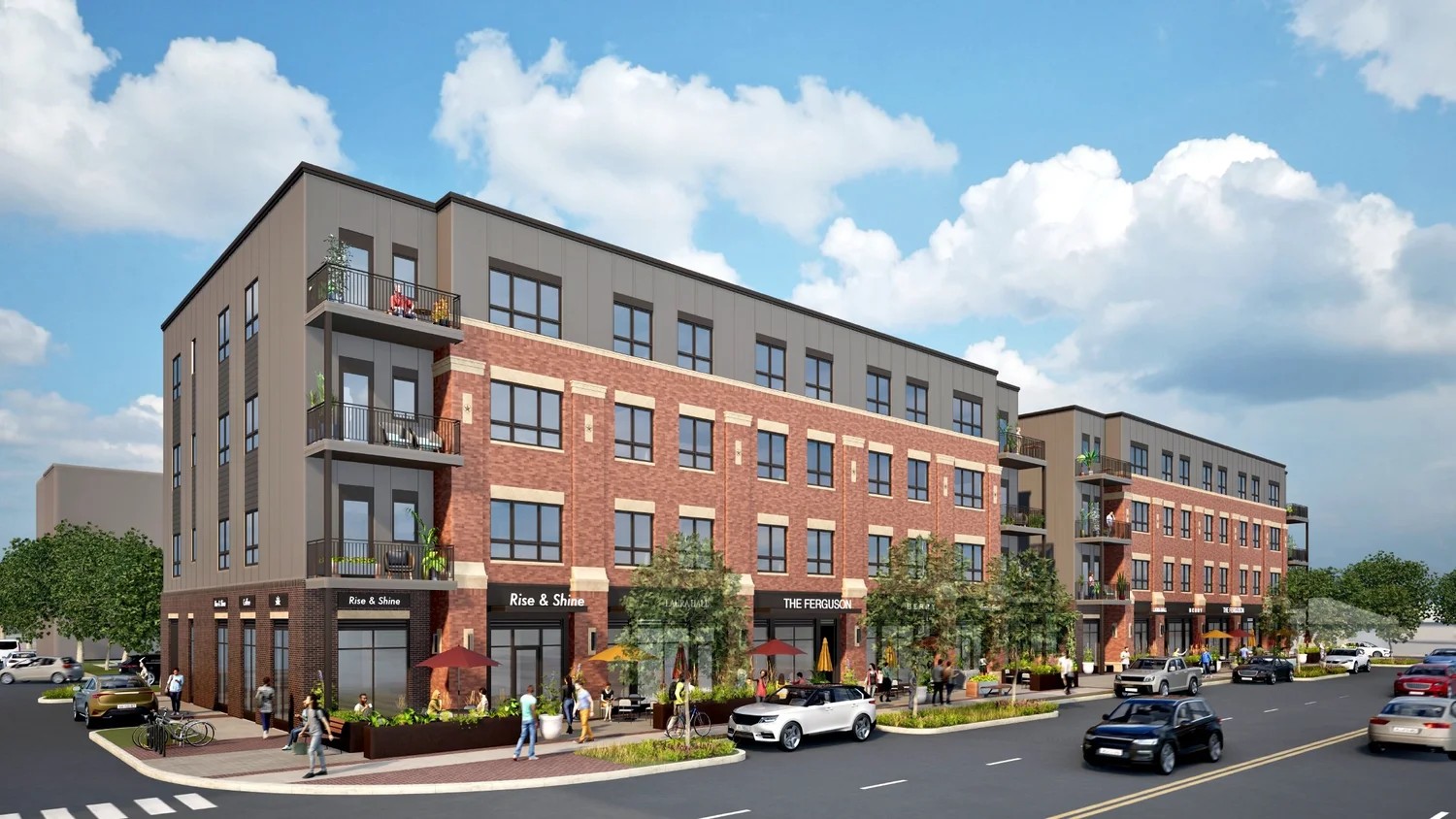
A mixed-use development featuring garden homes, townhomes, and condominiums with first-floor retail along the W 2nd Street corridor — anchoring Taylor's historic downtown at the heart of one of Central Texas's fastest-growing markets.
Whether you're an investor, a landowner, or simply curious about Metropolitan and the markets we serve — reach out. We are always open to a conversation.
Contact Metropolitan